

When we talk about chemicals that have changed the course of human technology, hydrazine definitely deserves a spot on that list. You might not hear about it in everyday conversations, but this colorless liquid has been quietly powering satellites, treating water, and even helping us explore space for decades. Let me walk you through everything you need to know about this fascinating yet dangerous chemical compound.
What Exactly Is Hydrazine?
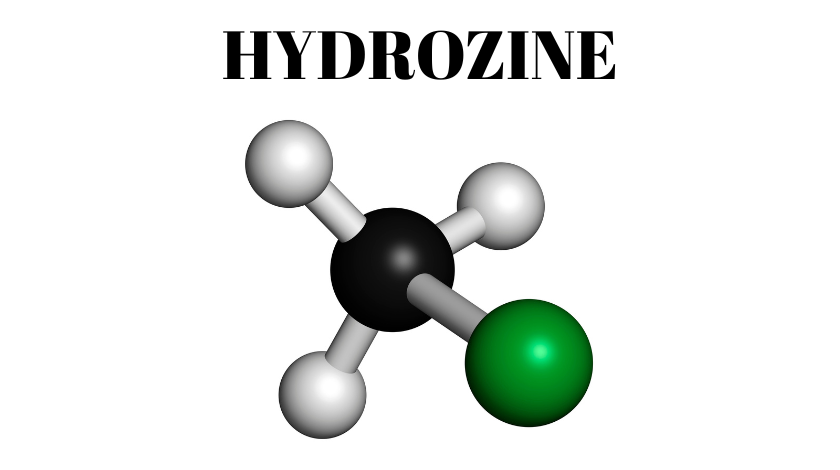
Hydrazine is a simple inorganic compound with the chemical formula N2H4. Think of it as ammonia’s more energetic cousin. While ammonia has one nitrogen atom bonded to three hydrogen atoms, hydrazine consists of two nitrogen atoms bonded together, with each nitrogen also bonded to two hydrogen atoms. This might sound like a small difference, but it makes hydrazine incredibly reactive and useful for specific purposes.
I remember when I first learned about hydrazine in my chemistry class years ago. My professor described it as one of those chemicals that makes you respect the power of molecular structures. Just a slight change in how atoms connect can transform a relatively safe household cleaner like ammonia into something that requires extreme caution and specialized handling.
At room temperature, hydrazine appears as a clear, oily liquid with a smell similar to ammonia. It has this peculiar characteristic of being highly reactive, which makes it both incredibly useful and potentially dangerous. The compound was first synthesized back in 1889 by a German chemist named Theodor Curtius, though he probably had no idea just how important his discovery would become for space exploration.
The Physical and Chemical Properties That Make Hydrazine Special
Understanding why hydrazine is so useful requires looking at its properties. This chemical has a boiling point of around 114 degrees Celsius and freezes at about 2 degrees Celsius. These properties make it remain liquid across a pretty wide temperature range, which is crucial for many of its applications.
What really sets hydrazine apart is its incredible energy density. When hydrazine breaks down, it releases a tremendous amount of energy. This happens because the nitrogen-nitrogen bond in hydrazine is relatively weak and unstable. When this bond breaks, the molecule essentially falls apart into nitrogen gas and hydrogen, releasing heat in the process. This exothermic reaction is what makes hydrazine such an excellent fuel.
The compound mixes completely with water and is also soluble in alcohols. This solubility makes it versatile for different industrial processes. However, this same property also means that if hydrazine spills, it can contaminate water supplies, which presents serious environmental concerns.
One thing that always amazed me about hydrazine is how it can act as both a fuel and an oxidizer under certain conditions. Most fuels need oxygen from the air to burn, but hydrazine can decompose on its own when passed over a catalyst, producing hot gases that can propel a spacecraft. This property makes it invaluable for spacecraft maneuvering systems where carrying separate fuel and oxidizer would add unnecessary weight.
Read Also: Byadi: Everything You Need to Know About This Innovative Platform in 2024
How Hydrazine Powers Our Adventures in Space
The aerospace industry is where hydrazine truly shines. If you have ever wondered how satellites maintain their position in orbit or how spacecraft adjust their trajectory millions of miles from Earth, hydrazine is often the answer.
Hydrazine serves as what engineers call a monopropellant. Unlike your car engine that needs both gasoline and oxygen from the air, hydrazine can work all by itself. When it passes over a catalyst like iridium, it decomposes violently into nitrogen, hydrogen, and ammonia gases. These hot gases shoot out of a nozzle, creating thrust that pushes the spacecraft in the opposite direction.
The Space Shuttle used hydrazine for its auxiliary power units and reaction control system. Satellites orbiting Earth right now use hydrazine thrusters to adjust their positions and orientations. The Mars rovers, those incredible machines exploring the Red Planet, relied on hydrazine during their descent to the Martian surface.
I find it remarkable that something as seemingly simple as a clear liquid can enable such sophisticated space missions. The reliability of hydrazine has been proven over thousands of space missions. Engineers trust it because it works consistently, can be stored for long periods in space, and performs reliably even after years of sitting idle in a fuel tank orbiting Earth.
The Apollo missions that put humans on the Moon used hydrazine derivatives in their propulsion systems. The Cassini spacecraft, which explored Saturn for thirteen years, used hydrazine to make countless adjustments to its orbit. Every time you see stunning images from a space telescope or use GPS on your phone, there is a good chance hydrazine played a role in getting that technology where it needs to be.
Industrial Applications Beyond Aerospace
While space exploration gets most of the glory, hydrazine works hard in many earthbound industries too. Chemical manufacturers use it as a building block for making other compounds, particularly in pharmaceutical production. Several important medications start their journey as hydrazine derivatives.
The polymer industry relies on hydrazine as a blowing agent to create foamed plastics. Those soft, cushiony materials in your car seats or packaging materials often started their life with hydrazine helping to create their cellular structure.
Water treatment facilities sometimes use hydrazine to remove dissolved oxygen from boiler water. When water is used in high-pressure boilers for power generation or industrial heating, dissolved oxygen can cause serious corrosion problems. Hydrazine reacts with that oxygen, eliminating it and protecting expensive equipment from damage. However, this application has decreased in recent years due to health and environmental concerns, with safer alternatives becoming more popular.
Agricultural chemistry has also found uses for hydrazine. Some plant growth regulators and pesticides are synthesized using hydrazine as a starting material. The chemical industry appreciates hydrazine because it is such a reactive molecule that can be transformed into many different useful products.
Photographers used to work with hydrazine compounds in developing film, though this has become less common with the shift to digital photography. Still, some specialty photographic processes and restoration techniques still employ hydrazine derivatives.
The Serious Safety Concerns You Need to Know About
Now, here is where we need to have a serious conversation. Hydrazine is not something to take lightly. This chemical is highly toxic and poses significant health risks. If I could emphasize one thing about hydrazine, it would be this: it demands respect and proper handling.
Exposure to hydrazine can happen through breathing its vapors, absorbing it through the skin, or accidentally swallowing it. All routes of exposure are dangerous. The chemical attacks the nervous system, liver, and kidneys. Short-term exposure can cause irritation to the eyes, nose, and throat. You might experience dizziness, nausea, or headaches even from relatively brief contact with hydrazine vapors.
Long-term or repeated exposure raises even more serious concerns. Studies have shown that hydrazine can damage the liver and kidneys permanently. Workers who handle hydrazine regularly must follow strict safety protocols and undergo regular health monitoring. The chemical has also been classified as a probable human carcinogen, meaning it might cause cancer with prolonged exposure.
I once spoke with an aerospace technician who worked with hydrazine for satellite fueling operations. He described the extensive safety procedures they followed. Every person working near hydrazine wore self-contained breathing apparatus, similar to what firefighters use. They wore multiple layers of protective clothing specifically designed to resist hydrazine penetration. The work area had specialized ventilation systems, emergency showers, and decontamination equipment ready at all times.
The protocols exist for good reason. Hydrazine absorbed through the skin can be just as dangerous as breathing it. Even a small spill can create vapors that spread through an area quickly. Emergency responders treating someone exposed to hydrazine need to protect themselves carefully while providing aid to the victim.
Symptoms of acute hydrazine poisoning include burning sensations in the throat and chest, severe nausea and vomiting, seizures, and respiratory distress. In severe cases, exposure can lead to coma or death. Anyone working with or around hydrazine needs comprehensive training in recognition of exposure symptoms and emergency response procedures.
Environmental Impact and Growing Concerns
The same properties that make hydrazine useful also make it problematic for the environment. When hydrazine enters soil or water, it can persist and spread, contaminating larger areas. The chemical breaks down eventually, but not before potentially harming ecosystems.
Aquatic life is particularly vulnerable to hydrazine contamination. Even small concentrations can be toxic to fish and other water organisms. The chemical interferes with their respiratory systems and can accumulate in their tissues, potentially moving up the food chain.
Air releases of hydrazine, whether from industrial accidents or spacecraft operations, raise concerns too. The vapors can travel with wind currents, exposing people and wildlife far from the original source. After rocket launches or satellite operations, environmental monitoring teams check the surrounding areas for any hydrazine residues.
Military bases and aerospace facilities that have used hydrazine for decades sometimes discover soil and groundwater contamination. Cleaning up these sites is expensive and technically challenging. The chemical can soak deep into soil and spread through underground water systems.
Regulatory agencies worldwide have established strict limits on hydrazine releases. In the United States, the Environmental Protection Agency classifies it as an extremely hazardous substance. Companies using hydrazine must report their inventories, follow detailed handling procedures, and have emergency response plans ready.
The space industry has been working to address these environmental concerns. When satellites reach the end of their operational lives, procedures now often include venting remaining hydrazine fuel in a controlled manner high in the atmosphere where it disperses and breaks down quickly. This prevents defunct satellites from becoming orbiting bombs of toxic fuel.
Looking Toward the Future
Given all the safety and environmental challenges, you might wonder why we still use hydrazine. The answer comes down to performance, reliability, and the lack of perfect alternatives. However, the search for safer substitutes has intensified in recent years.
Several promising alternatives have emerged. Green propellants based on hydroxylammonium nitrate offer similar performance to hydrazine with significantly reduced toxicity. The Air Force and NASA have tested these alternatives extensively, and some satellites have already launched using these newer fuels.
European space agencies developed a propellant called LMP-103S that delivers better performance than hydrazine while being less toxic and easier to handle. Satellites using this fuel require less protective equipment during fueling operations, reducing costs and risks.
Electric propulsion systems represent another path forward. Ion drives and Hall thrusters use electricity to accelerate ions, creating thrust without chemical propellants. These systems are incredibly efficient for long-duration space missions, though they produce much less thrust than chemical rockets. Many modern satellites use a combination of electric propulsion for efficient long-term operation and small amounts of chemical propellant for quick maneuvers.
Despite these alternatives, hydrazine will not disappear overnight. Thousands of satellites currently in orbit carry hydrazine, and many more are planned. The aerospace industry moves carefully when adopting new technologies because the stakes are so high. A satellite that costs hundreds of millions of dollars needs proven, reliable systems.
Research continues into making hydrazine safer to handle even as alternatives develop. Better protective equipment, improved detection systems, and refined handling procedures help reduce risks for workers. Automated fueling systems minimize human exposure during satellite preparation.
The pharmaceutical and chemical industries are also exploring alternatives for their hydrazine applications. Synthetic chemists work to develop new reaction pathways that avoid using hydrazine while still producing the desired products. This transition happens gradually as researchers validate new methods and companies invest in updated equipment.
Real-World Impact on Technology We Use Daily
You might think hydrazine seems distant from your everyday life, but its impact touches you more often than you realize. Every time you check weather forecasts, you are benefiting from meteorological satellites kept in position by hydrazine thrusters. When you use GPS to navigate, you are relying on a constellation of satellites that use hydrazine to maintain their precise orbits.
Communication satellites that relay television broadcasts, internet data, and phone calls across oceans all depend on hydrazine for station-keeping and attitude control. Without this chemical, these satellites would drift out of position, disrupting services millions of people use daily.
Scientific discoveries about our universe often come from space telescopes and planetary probes powered by hydrazine. The images of distant galaxies, the data about Mars or Jupiter, the information helping us understand climate change on Earth all come from spacecraft that use hydrazine propulsion systems.
Even some of the products you use started their journey as hydrazine derivatives. Certain plastics, medications, and agricultural products exist because chemists can use hydrazine as a versatile building block for creating complex molecules.
Conclusion
Hydrazine represents both human ingenuity and the complicated relationship we have with powerful chemicals. This simple compound of nitrogen and hydrogen has enabled incredible achievements in space exploration and industrial chemistry. Satellites orbiting overhead, rovers exploring Mars, and countless technological advances owe their success at least partly to hydrazine.
Yet this same chemical demands our utmost respect and caution. Its toxicity and environmental impact remind us that powerful tools often come with serious responsibilities. The aerospace and chemical industries have learned to handle hydrazine safely through decades of experience, comprehensive training, and strict procedures.
As we look toward the future, the role of hydrazine will likely diminish as safer alternatives prove themselves. Green propellants and electric propulsion systems promise to deliver the performance we need without the hazards. However, this transition will take time, and hydrazine will remain important for years to come.
Understanding chemicals like hydrazine helps us appreciate the complexity behind technologies we take for granted. The next time you use your smartphone to navigate or check satellite weather images, remember that a colorless, toxic liquid called hydrazine played a role in making that technology possible. It is a reminder that progress often involves carefully managing powerful substances that require knowledge, respect, and responsibility.
Frequently Asked Questions
What is hydrazine used for?
Hydrazine is primarily used as rocket fuel for satellites and spacecraft. It also finds applications in chemical manufacturing, water treatment, pharmaceutical production, and creating foamed plastics. The aerospace industry values it for its reliability and energy density.
Is hydrazine dangerous to humans?
Yes, hydrazine is highly toxic and dangerous to humans. It can cause serious health problems through inhalation, skin contact, or ingestion. Exposure can damage the nervous system, liver, and kidneys. It is classified as a probable carcinogen, so people working with it must follow strict safety procedures.
Why do rockets use hydrazine?
Rockets and satellites use hydrazine because it works as a monopropellant, meaning it does not need a separate oxidizer. When passed over a catalyst, it breaks down violently, producing hot gases that create thrust. This makes it reliable, efficient, and perfect for spacecraft maneuvering systems.
Can hydrazine explode?
Hydrazine can explode under certain conditions. It is highly reactive and unstable. If concentrated hydrazine is heated or contaminated with certain materials, it can decompose rapidly and violently. This is why it requires careful handling and storage in controlled conditions.
What are the alternatives to hydrazine?
Several alternatives to hydrazine are being developed and used. Green propellants like AF-M315E and LMP-103S offer similar performance with reduced toxicity. Electric propulsion systems like ion drives provide efficient alternatives for long-duration missions. These technologies are gradually replacing hydrazine in new spacecraft designs.
How is hydrazine stored safely?
Hydrazine must be stored in sealed, compatible containers away from heat, ignition sources, and incompatible materials. Storage areas need proper ventilation, temperature control, and containment systems to prevent leaks. Only trained personnel should handle hydrazine storage, and emergency equipment must be readily available.
What happens if you are exposed to hydrazine?
Exposure to hydrazine can cause immediate symptoms like burning sensations, nausea, dizziness, and respiratory irritation. Severe exposure may lead to seizures, organ damage, or even death. Anyone exposed needs immediate decontamination and medical attention. Long-term exposure increases cancer risk and can cause permanent organ damage.
Is hydrazine used in everyday products?
Hydrazine itself is not found in everyday consumer products due to its toxicity. However, hydrazine derivatives are used in making certain medications, plastics, and agricultural chemicals. The final products do not contain hydrazine, but it may have been used in their manufacturing process.