

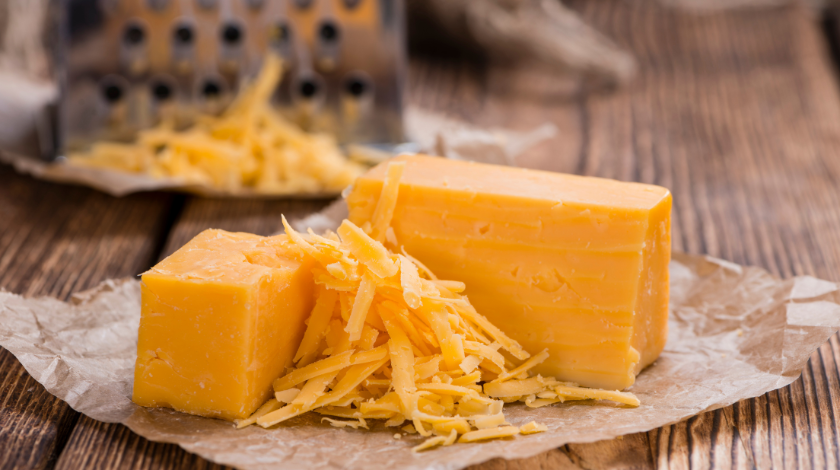
Cheddar cheese is one of the most loved cheeses in the world. You can find it in sandwiches, burgers, pasta, soups, and even snacks. I still remember the first time I tasted a sharp cheddar slice on a warm grilled cheese sandwich. The flavor was rich, slightly tangy, and comforting at the same time. Since then, cheddar has always had a place in my kitchen.
In this guide, I will explain everything you need to know about cheddar cheese. We will talk about its history, types, taste, nutrition, health benefits, and the best ways to use and store it. I will keep the language simple and easy to understand so that even if you are new to cheese, you will feel confident after reading this.
What Is Cheddar Cheese
Cheddar cheese is a natural cheese that originally came from the village of Cheddar in Somerset, England. It has been made for more than 800 years. Over time, it became popular all over the world, especially in the United States, the United Kingdom, Canada, and Australia.
Cheddar is made from cow’s milk. It goes through a special process called cheddaring, where the curds are cut, stacked, and turned. This step gives cheddar its unique texture and flavor.
Today, cheddar cheese is one of the best selling cheeses globally. People love it because it is versatile, flavorful, and easy to melt.
Types of Cheddar Cheese
One thing I enjoy about cheddar is that it comes in different varieties. Each type has its own flavor and texture.
Mild Cheddar
Mild cheddar is usually aged for 2 to 3 months. It has a smooth and creamy texture with a soft, buttery taste. This type is perfect for children or people who prefer a gentle flavor.
Medium Cheddar
Medium cheddar is aged a little longer, around 4 to 6 months. The flavor becomes slightly stronger, but it is still balanced and creamy.
Sharp Cheddar
Sharp cheddar is aged for 6 to 12 months. The taste is richer, tangier, and more complex. This is my personal favorite because it adds bold flavor to dishes like mac and cheese.
Extra Sharp Cheddar
Extra sharp cheddar is aged for more than one year. It has a firm texture and a strong, tangy taste. Sometimes you may notice small white crystals inside. These are natural and show that the cheese is well aged.
White vs Yellow Cheddar
White cheddar is the natural color of cheddar cheese. Yellow cheddar has added annatto, a natural coloring from plant seeds. The flavor is usually the same. The color difference is mostly visual.
Read Also: Ukulele History: From Portuguese Roots to Global Fame
How Cheddar Cheese Is Made
Cheddar cheese starts with fresh cow’s milk. The milk is heated and mixed with starter cultures and rennet. These ingredients help the milk separate into curds and whey.
The curds are then cut into small pieces and gently heated. After that, they are stacked and turned in a process called cheddaring. This step removes extra moisture and builds texture.
Next, the curds are milled into small pieces, salted, and pressed into molds. Finally, the cheese is aged for several months or even years.
The aging process is what gives cheddar its sharp taste. The longer it ages, the stronger and firmer it becomes.
Taste and Texture
Cheddar cheese has a rich, creamy, and slightly tangy taste. Mild cheddar is soft and smooth. Aged cheddar becomes firmer and crumbly.
Sharp and extra sharp cheddar can have a nutty and sometimes slightly earthy flavor. The taste can feel bold on your tongue, but in a pleasant way.
When melted, cheddar becomes smooth and stretchy. That is why it works so well in grilled cheese sandwiches and sauces.
Nutritional Value of Cheddar Cheese
Cheddar cheese is not only tasty but also nutritious when eaten in moderation.
In one ounce of cheddar cheese, you can expect:
- About 110 calories
- 7 grams of protein
- 9 grams of fat
- Around 200 milligrams of calcium
Cheddar is a good source of protein, which helps build muscles and repair tissues. It is also rich in calcium, which supports strong bones and teeth.
It contains vitamin A and vitamin B12 as well. However, it also has saturated fat and sodium, so it is best to enjoy it in reasonable portions.
Health Benefits and Concerns
Benefits
Cheddar cheese provides important nutrients. Calcium helps prevent bone problems like osteoporosis. Protein keeps you full and supports muscle growth.
Because cheddar is low in lactose compared to milk, some people with mild lactose intolerance can tolerate it better.
Concerns
Cheddar cheese is high in saturated fat and salt. Eating too much may increase the risk of heart problems. If you are watching your weight or cholesterol levels, try to control portion sizes.
From my experience, a small amount of high quality cheddar is more satisfying than a large amount of processed cheese. Quality over quantity is always a good rule.
How to Store Cheddar Cheese
Proper storage keeps cheddar fresh and flavorful.
Wrap the cheese in wax paper or parchment paper first. Then place it in a loose plastic bag or container. This allows it to breathe while preventing it from drying out.
Store it in the refrigerator, usually in the vegetable drawer where humidity is slightly higher.
Cheddar cheese can last 3 to 4 weeks in the fridge after opening. If you see mold, you can cut off about one inch around the moldy area for hard cheddar. The rest is often safe to eat.
You can also freeze cheddar cheese. However, freezing may change the texture slightly, making it more crumbly. Frozen cheddar is best used for cooking.
Cooking With Cheddar Cheese
Cheddar cheese is very versatile in the kitchen.
Popular Recipes
- Mac and cheese
- Grilled cheese sandwiches
- Cheeseburgers
- Cheddar cheese sauce
- Cheesy mashed potatoes
- Omelets
One of my favorite comfort foods is homemade mac and cheese with sharp cheddar. The strong flavor makes the dish creamy and satisfying without needing too much cheese.
Melting Tips
For smooth melting, grate the cheese before adding it to hot dishes. Add it slowly and stir constantly. Avoid very high heat, as it can make the cheese oily.
Pairing Ideas
Cheddar pairs well with apples, pears, nuts, and whole grain bread. It also tastes great with soups and salads.
Cheddar Cheese vs Other Cheeses
Cheddar vs Mozzarella
Mozzarella is softer and milder. It melts into long stretchy strands, perfect for pizza. Cheddar has a stronger flavor and a firmer texture.
Cheddar vs American Cheese
American cheese is processed and melts very smoothly. Cheddar is natural and has a richer taste.
Cheddar vs Parmesan
Parmesan is harder and saltier. It is often grated over pasta. Cheddar is more flexible for slicing and melting.
Choosing the Best Cheddar Cheese
When buying cheddar, read the label. Look for natural ingredients like milk, salt, cultures, and rennet.
A good cheddar should have a firm texture and a pleasant smell. Avoid cheese that smells sour or feels too dry.
If possible, try cheddar from local farms. In my opinion, locally made cheddar often tastes fresher and more authentic.
Conclusion
Cheddar cheese is a timeless favorite for many reasons. It has a rich history, a variety of flavors, and countless uses in cooking. Whether you prefer mild and creamy or sharp and bold, there is a cheddar for you.
When enjoyed in moderation, cheddar cheese can be part of a healthy diet. It provides protein, calcium, and satisfying flavor. Store it properly, choose high quality options, and use it creatively in your meals.
From simple sandwiches to special family dinners, cheddar cheese adds warmth and comfort to everyday life.
FAQs
Is cheddar cheese healthy?
Yes, cheddar cheese can be healthy when eaten in moderation. It provides protein and calcium but should be limited due to fat and salt content.
How long does cheddar cheese last?
Opened cheddar can last 3 to 4 weeks in the refrigerator if stored properly.
Can you freeze cheddar cheese?
Yes, you can freeze it for up to 6 months. However, the texture may become more crumbly.
What is the difference between mild and sharp cheddar?
Mild cheddar is aged for a short time and has a gentle flavor. Sharp cheddar is aged longer and has a stronger, tangy taste.
Is white cheddar different from yellow cheddar?
The main difference is color. Yellow cheddar has natural coloring added, but the flavor is usually the same.
